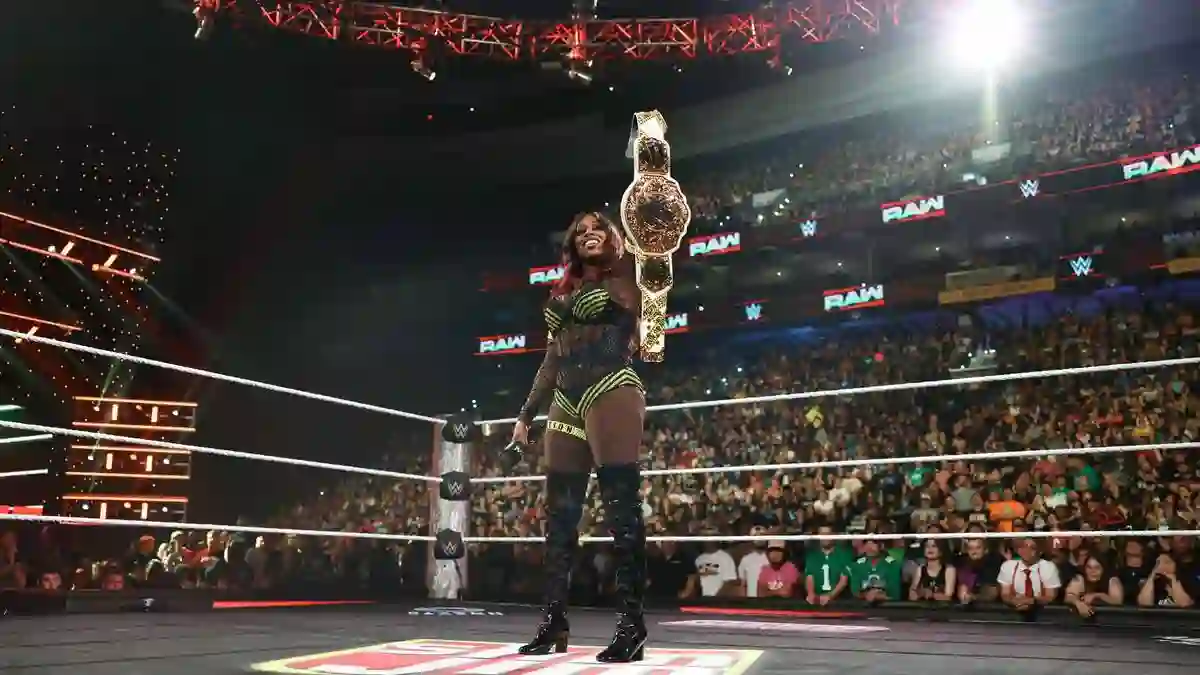
A Referee is much more than a “count to three” official; They are the key to every event. They are the third performer in the ring, controlling the pace, communicating with production, enforcing rules, and ensuring the safety of the Superstars.
If you want to become a WWE referee, the truth is simple. The path exists, but it’s long, challenging, and requires discipline, training, and years of experience. This guide breaks down the exact roadmap current WWE referees follow, based on industry practices, WWE recruitment, and actual career paths.
- How do you become a WWE Referee?
- Key Qualifications: What WWE Looks For in a Referee
- Step-by-Step Guide on ‘How to Become a Referee”
- Step 1: Get Formal Training at a Professional Wrestling School
- Step 2: Gain Experience on the Independent Wrestling Circuit
- Step 3: Build Your Professional Portfolio
- Step 4: Submit to the WWE Recruitment Portal
- Step 5: WWE Performance Center Tryout
- Realistic Timeline to Become a WWE Referee
How do you become a WWE Referee?
The path to becoming a WWE referee does not involve a standard public job application process.
Most successful referees follow this path:
- Worked for several years on the independent wrestling circuit.
- Build a credible referee portfolio (resume + demo reel).
- Create a network within wrestling promotions.
- Submit your details through the WWE Recruitment Portal.
- Get invited to a WWE Performance Center tryout.
This journey requires dedication, athleticism, and a reputation built over time.
Key Qualifications: What WWE Looks For in a Referee
Understanding WWE’s expectations is the first step to becoming a WWE referee. These are the real-world referee requirements Talent Development evaluates.
1. Physical Fitness and Athleticism
A WWE referee is an athlete.
You must be able to:
- Sprint from corner to corner.
- Slide in/out of the ring quickly.
- Drop for counts with proper technique.
- Avoid high-flying moves.
- Take bumps when required.
This is where referee fitness matters the most. Cardiovascular conditioning, agility, and mobility exercises are essential.
2. Deep Wrestling Knowledge (Psychology, Rules & Timing)
A good pro wrestling referee understands:
- Match psychology.
- Heel vs. babyface dynamics.
- Timing and pacing.
- How to “disappear” while being in total control.
- When to speed up or slow down a count.
- When to call audibles during live matches.
You must understand wrestling as a wrestler does—this is why training is required.
In an interview with Chris Van Vliet, legendary WWE referee Mike Chioda explained the importance of timing and crowd awareness:
“When you can get a crowd just to stand off there when you see the front rows, and all the floor seats and people just get up and and they thought that was the finished, it’s like damn I did my job!” (Timestamp: 32:31-32:43)
Veteran referee Charles Robinson also emphasized that learning never stops, especially for new referees:
“Watch tapes, ask questions. You never stop learning. I mean, I talked to referees that have been refereeing for one year and I can pick up stuff that they do.” (Timestamp: 49:17-49:25)
3. Communication, Poise & Professionalism
During TV matches, you will be:
- Relaying instructions through your earpiece.
- Communicating time cues.
- Passing messages silently to wrestlers.
- Keeping the match on track.
- Reacting calmly during live mistakes.
These invisible abilities set WWE officials apart from others.
4. Split-Second Decision-Making
Your decisions protect the health of performers.
You must know when to:
- Signal the “X” sign for real injuries.
- Stop a match.
- Move talent away from danger.
- Check concussions.
- Adjust match flow instantly.
This responsibility makes WWE referee training especially demanding and professional.
A great example came during Seth Rollins’ real-time knee injury scare. On Busted Open Radio, Bully Ray praised referee Jessika Carr for her instant awareness and calm under pressure. He said:
“That’s not an easy spot, but she handled it like a pro. She’s got people screaming in her ear in the back, she’s looking at Seth Rollins, she’s looking at Paul Heyman, she’s gotta keep LA Knight away. That’s a tough spot for any referee… you become the ring general in that moment… phenomenal job by Jessika Carr all weekend long.”
Step-by-Step Guide on ‘How to Become a Referee”
This is the complete, actionable roadmap for how to become a WWE referee in 2025 and beyond.
Step 1: Get Formal Training at a Professional Wrestling School
Professional training is mandatory for all aspiring WWE referees.
What to look for in a school:
Choose a reputable academy known for producing talent, such as:
- Monster Factory
- Nightmare Factory
- Reality of Wrestling
- Flatbacks Wrestling School
- Lance Storm Academy
- Create A Pro
- Santino Bros Wrestling Academy
These schools train referees and wrestlers who work for major promotions.
Tell your trainers your goal:
Let them know you want to become a referee.
They will teach you:
- Ring movement.
- Counting techniques.
- Ring positioning.
- How to “call” a match.
- Safety protocols.
- Communication cues.
- When to take bumps.
This is the foundation of your referee career.
Step 2: Gain Experience on the Independent Wrestling Circuit
After training, begin building real-world experience.
How the independent circuit helps you:
- Referee hundreds of matches.
- Work in different environments.
- Learn to handle live chaos.
- Build a reputation as reliable.
- Network with promoters and wrestlers.
This is where your skills sharpen and your name begins to gain recognition.
What to do:
- Always show up early.
- Help set up and tear down the ring.
- Dress professionally backstage.
- Be respectful and coachable.
- Seek feedback from experienced referees and trainers.
Your attitude backstage will decide how far you go.
Step 3: Build Your Professional Portfolio
A strong portfolio is key to becoming a WWE referee.
1. Referee Resume/CV
Include:
- Promotions worked.
- Names of trainers.
- Years of experience.
- Special match types (hardcore, tag, multi-man).
- Safety certifications.
2. Referee Demo Reel (90–150 seconds)
Show:
- Sliding counts.
- Strong positioning.
- Safety checks.
- Clean communication moments.
- On-camera discipline.
3. Online Presence
Create:
- A simple website / portfolio page.
- A professional Instagram account.
- A YouTube channel for match clips.
This helps WWE evaluate your presentation and presence.
Step 4: Submit to the WWE Recruitment Portal
This is the official modern pathway to WWE.
The portal requires:
- Resume
- Reel
- Photos
- Physical stats
- Background details
This is the first evaluation stage before tryouts.
Step 5: WWE Performance Center Tryout
If accepted, you’ll be invited to a multi-day tryout.
What you’ll be tested on:
- Physical conditioning.
- Sliding, positioning, and agility.
- Timing and psychology.
- Taking bumps.
- Communication skills.
- TV-awareness.
- Ability to follow the producer’s direction.
- Professionalism and attitude.
This is the toughest stage in the journey, and only a few make it through.
Realistic Timeline to Become a WWE Referee
A realistic career timeline:
- 1–2 years of wrestling school training.
- 2–5 years on the independent circuit.
- 1 tryout invitation (if scouted or selected).
Total: 3–7+ years on average.
FAQs
Yes. Many officials were never wrestlers, but they trained at wrestling schools to understand the craft.
Yes, Sometimes, depending on the storyline’s needs.
Not strictly. Many referees start in their late 20s to mid-30s.
No. Tryouts are evaluation events.